


CalFresh Healthy Living (CFHL, SNAP-Ed) On Campus goes beyond traditional nutrition education. It’s a student-driven initiative that promotes wellness, builds essential life skills, and fosters career development. Through food budgeting guidance and cooking classes, students gain practical knowledge, while student-employees develop career readiness by delivering the program in a peer-led, cost-effective model.
In its first year, the CFHL On Campus Student Leadership Cohort—a partnership between Center for Healthy Communities (CHC) and higher education campuses across California— has proven to be pivotal for students, allowing them to shape CFHL On Campus programming while gaining relevant work experience to complement their college studies.
Student-Led Nutrition: A Strategic Approach to CFHL (SNAP-Ed) On Campus
Last year, CHC launched its inaugural CFHL Student Leadership Cohort to engage students in the planning and implementation of CFHL programming on college campuses. Representing CSU campuses such as Sacramento, Northridge, Dominguez Hills, San Francisco, San Bernardino, and Chico, along with Cal Poly campuses San Luis Obispo and Pomona, the student cohort has played a part in shaping what student-led nutrition education can look like in a college setting.
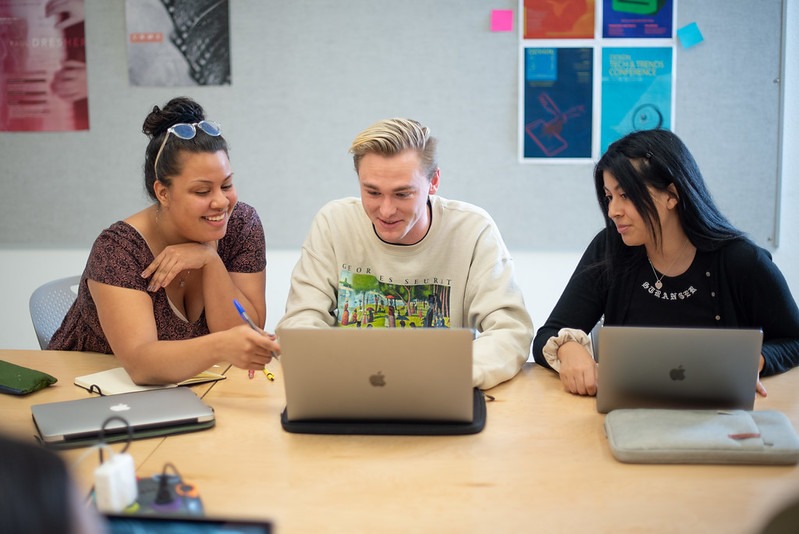
Designed as both a professional development opportunity and a platform for student leadership, the cohort has provided student assistants and interns with hands-on experience leading nutrition education sessions, collaborating on campus events, and gathering participant feedback to strengthen outreach efforts among their peers. Jessica Medina, a CHC program manager supporting six campuses, shared, “Students have been instrumental in ‘building the ship as we navigate,’ helping the program transition from a pilot into a fully-fledged initiative.”

Real-World Experience for Future Nutrition Leaders
Cohort members from CSU Northridge, Cal Poly San Luis Obispo, CSU Sacramento, and Cal Poly Pomona submitted posters showcasing the impact of their on-campus projects for the CFHL Forum, an annual statewide conference. CSU Sacramento students Monze, Alyssa, and Johnny were asked to present their work at the statewide conference held online earlier this year. The new, interactive virtual format of the CFHL Forum drew over 150 attendees to one of the student presentations.
Although intimidating, the experience sparked deeper conversations and validated the importance of student-driven work and the invaluable professional experience gained from participation with the cohort. Select project highlights will also be published in the Journal of Trauma-Informed Community Health, Nutrition and Physical Activity (J-TICH))—offering students the rare opportunity to see their work published in a professionally recognized journal while still in college.
For Alyssa, presenting to a large group of public health professionals was “nerve-wracking but empowering” as she noted far more genuine engagement with their work was allowed through the new virtual format. Opportunities for students to present their work and research findings have also occurred on their campuses, giving these student-leaders exposure and recognition for the efforts of their programming.
Using Data to Evaluate Impact for Nutrition Education
The cohort has played a critical role in evaluating the CFHL On Campus program’s impact by administering pre- and post-surveys at cooking classes, contributing valuable data to CHC’s annual effectiveness report submitted to the state. With over 867 survey responses collected, the team is aiming to boost participation in series-based classes to allow for meatier, paired data analysis. Students suggested that potentially offering incentives (funded outside CFHL dollars) could help drive engagement of student event participants with the surveys.
Beyond data collection, this project has sparked real personal and professional growth. Students like Stacy Ann, a master’s student at CSU San Bernardino, spoke of the confidence she gained teaching nutrition education and cooking lessons. Through focus groups, the cohort also helped refine the Food Smarts for College Students curriculum, making it more relevant to the audience of students.
From in-person cooking classes to social media engagement, students have not only learned more about nutrition and food systems—they’ve also explored their career paths, grown in leadership, and built networks. One student reflected on their role with the cohort this semester, saying, “It gave me a great opportunity to gain leadership skills, work closely with a team, and be more involved in understanding my community’s needs.”
Final Thoughts
Student recommendations for the future? More affordable, CalFresh Food (SNAP/EBT)friendly farmers’ markets and stronger collaboration with Basic Needs Centers on campuses to align nutrition education classes or cooking series with available food pantry resources and staples would help students understand how to utilize the food available to them for nutritious meals.
As CFHL On Campus continues to grow, the Student Leadership Cohort is leaving a lasting impact. Whether on campus or within the students themselves, this program is shaping the next generation of public health leaders. That’s a legacy worth celebrating.
